Transforming Spaces: The Art of Commercial Interior Design


In today's competitive market, businesses are increasingly recognizing the importance of well-designed commercial spaces. The art of commercial interior design goes beyond aesthetics; it's about creating environments that enhance productivity, reflect brand identity, and provide a welcoming experience for clients and employees alike.
Commercial interior design involves a strategic approach to space planning, color schemes, lighting, and furniture selection. These elements work together to craft an environment that not only looks appealing but also functions effectively. The goal is to transform spaces into dynamic, engaging areas that support the business's objectives.

Understanding the Client's Vision
One of the primary steps in commercial interior design is understanding the client's vision. Designers work closely with businesses to grasp their brand values, target audience, and specific needs. This collaboration ensures that the final design aligns perfectly with the company's mission and goals.
Incorporating the client's vision into the design process involves a detailed analysis of the business's culture and operations. By doing so, designers can create spaces that not only look great but also enhance the daily workflow and employee satisfaction.
Aligning Design with Brand Identity
A successful commercial interior design project is one that reflects the brand's identity. Every element, from color choices to furniture style, should resonate with the brand's image. This creates a cohesive experience for anyone who walks into the space, reinforcing the business's core values and message.
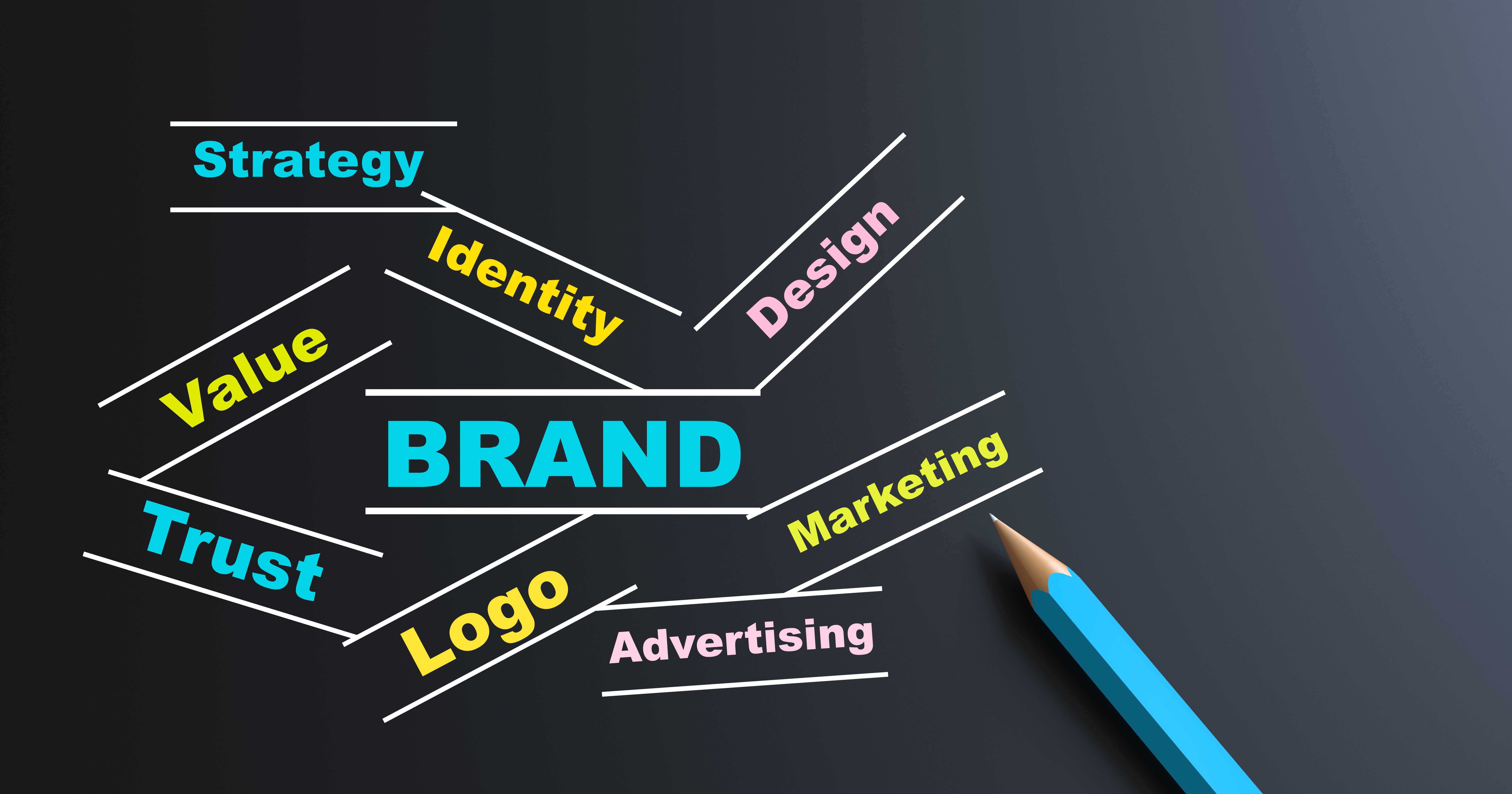
For instance, a tech company might opt for a modern and minimalistic design, while a law firm could choose a more classic and sophisticated look. By aligning the design with the brand, businesses can create an environment that speaks to their clientele.
The Role of Technology in Design
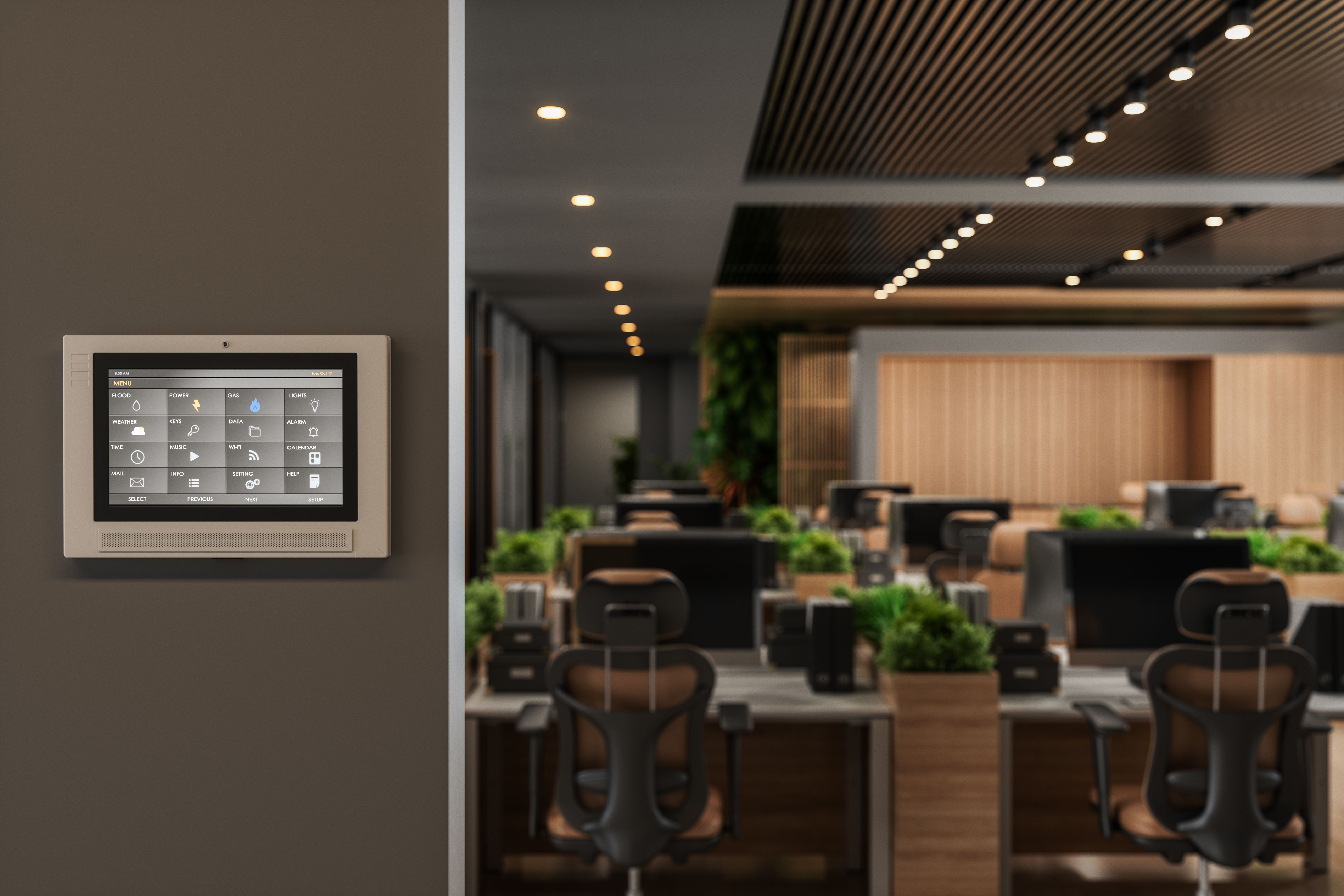
Technology plays a crucial role in modern commercial interior design. From virtual reality tools that allow clients to visualize spaces before they're built, to smart lighting and climate control systems, technology enhances both the design process and the final outcome.
Integrating technology into the design allows for more flexible and adaptable workspaces. Smart office solutions can improve energy efficiency, enhance comfort, and streamline operations, making them a valuable addition to any commercial space.
Sustainability and Eco-Friendly Designs
As environmental awareness grows, sustainable design has become a significant focus in commercial interiors. Designers are increasingly incorporating eco-friendly materials and energy-efficient solutions to create spaces that are both beautiful and environmentally responsible.
Using recycled materials, low-energy lighting, and green walls are just a few ways designers can contribute to a more sustainable future. These elements not only reduce the environmental impact but also resonate with clients and customers who value sustainability.
Conclusion
The art of commercial interior design is a dynamic and evolving field that requires a deep understanding of aesthetics, functionality, and brand identity. By transforming spaces into innovative and engaging environments, designers play a crucial role in enhancing the business landscape.
Whether it's through technology integration or sustainable practices, the possibilities in commercial interior design are endless. With the right approach, businesses can create spaces that inspire, motivate, and leave a lasting impression on everyone who enters.