The Ultimate Guide to Furniture Selection: Combining Style and Comfort


Understanding Your Space
Selecting furniture begins with understanding the space you have. Measure your rooms to determine what will fit and where. Consider the room’s natural lighting, as it can influence color and fabric choices. Remember, the right furniture should complement the room, not overwhelm it.
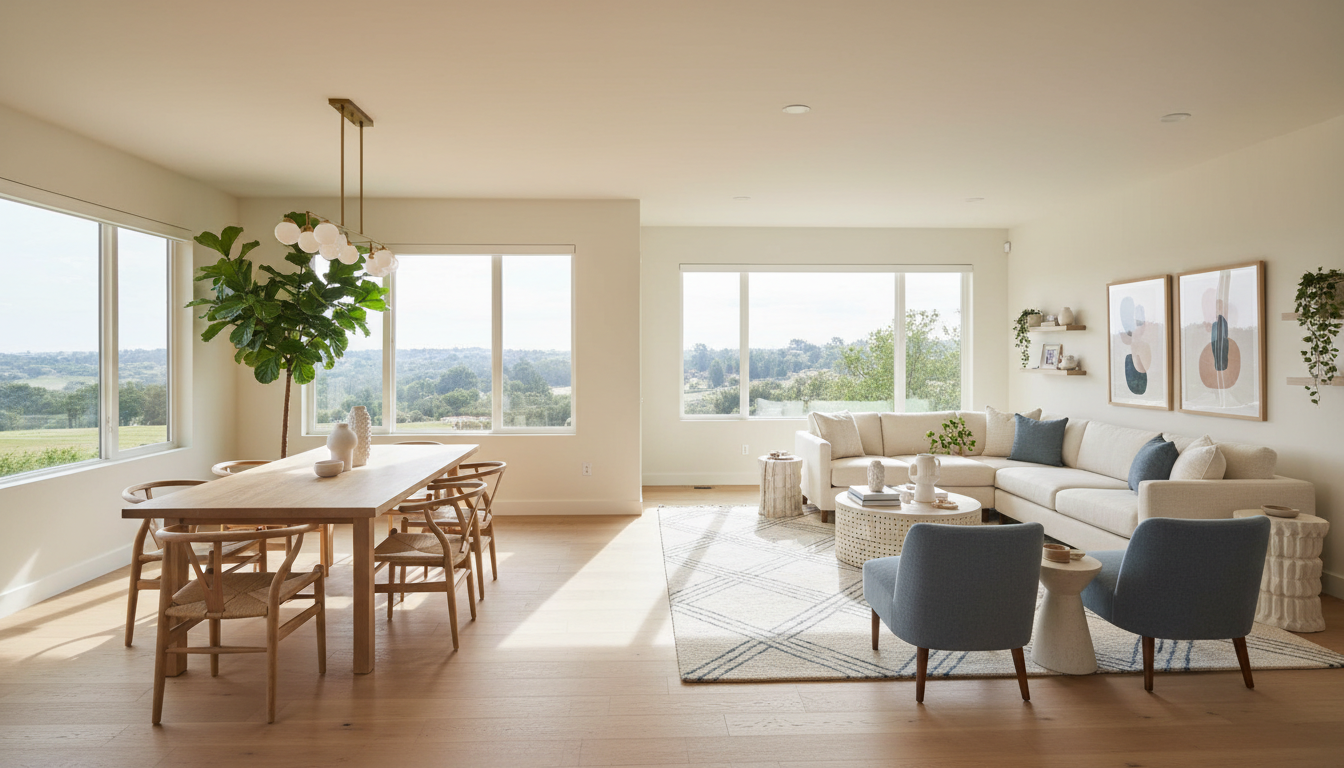
Think about the purpose of each room. A living room, for example, might need a comfortable sofa for lounging, whereas a dining room requires a table that accommodates your family and guests. Tailor your selections to fit the functionality of the space.
Choosing the Right Style
Your furniture should reflect your personal style and the overall aesthetic of your home. Whether you prefer modern, traditional, or eclectic designs, consistency is key. Mixing too many styles can create a disjointed look, so aim for harmony in your selections.
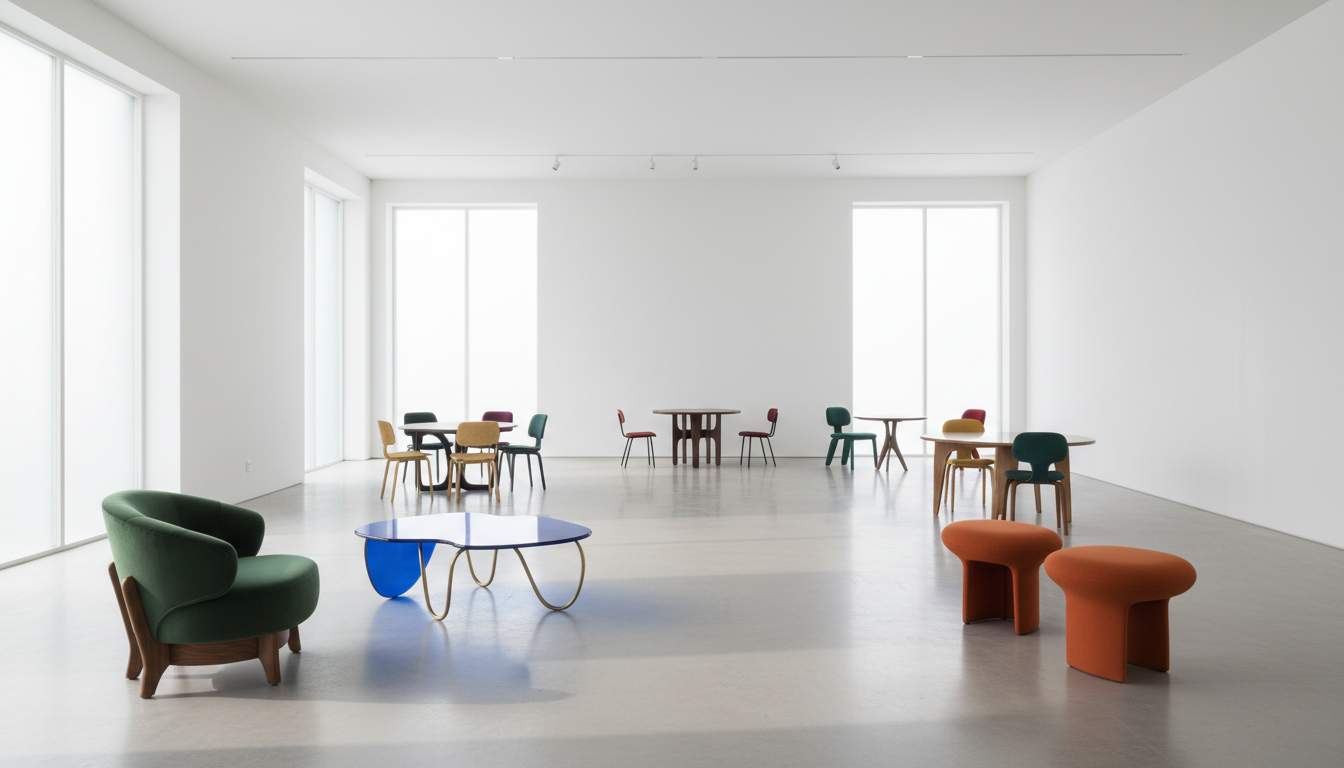
Consider the materials and finishes as well. Wood, metal, and glass each bring different vibes to a room. A wooden table may offer a warm, classic feel, while metal can provide a sleek, contemporary look.
Prioritizing Comfort
While style is important, comfort should never be compromised. Prioritize pieces that offer the best of both worlds. Test furniture in person whenever possible. Sit on sofas and chairs to ensure they offer the support you need.
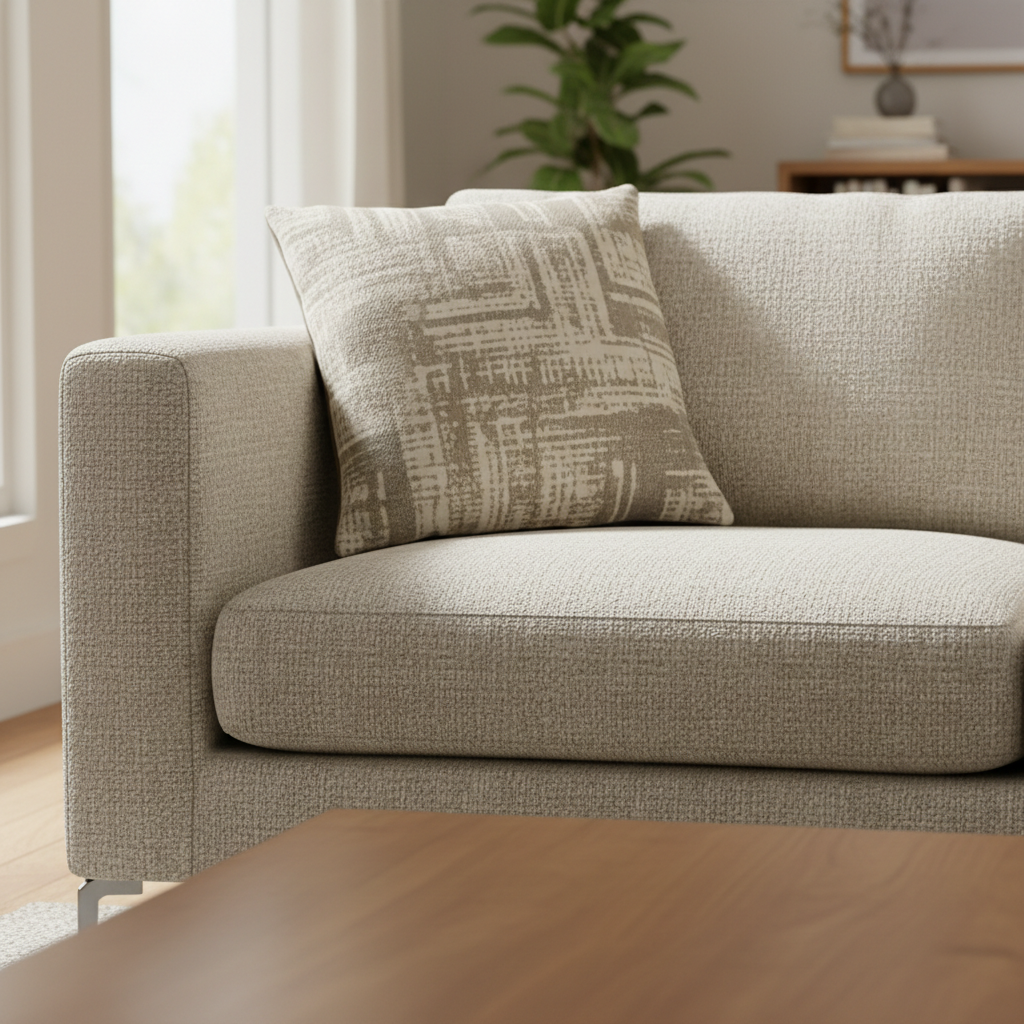
Look for ergonomic designs, especially for frequently used pieces like office chairs and beds. These items should support your body and promote good posture, contributing to overall well-being.
Evaluating Quality and Durability
The quality of furniture is crucial for its longevity. Inspect the construction of each piece. Solid wood frames, high-quality fabrics, and sturdy joints are indicators of durable furniture. Investing in quality pieces might be more expensive initially but can save money in the long run.
Check for warranties or guarantees, as they can offer peace of mind regarding your investment. A good warranty means the manufacturer stands by their product, ensuring you receive value for your purchase.
Balancing Budget and Needs
Establishing a budget is essential when selecting furniture. Determine what pieces are worth splurging on and where you can save. It might be worth investing more in a high-quality sofa or mattress, while side tables or decorative accessories can be more budget-friendly.
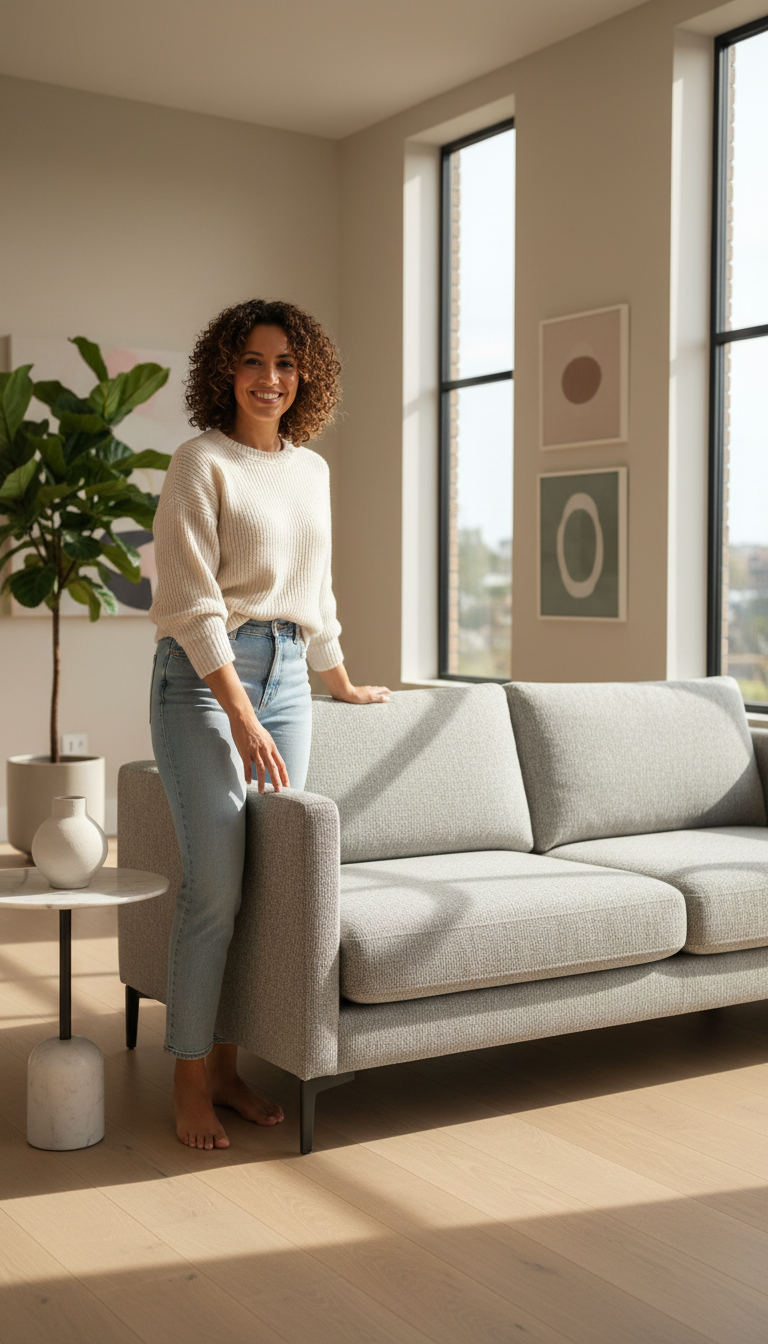
Consider second-hand options as well. Vintage or pre-owned furniture can offer unique styles at a fraction of the cost. Just ensure they are in good condition and fit within your overall design scheme.
Personalizing with Accessories
Once your main furniture pieces are in place, personalize your space with accessories. Throw pillows, rugs, and artwork can add color and texture, making your home feel complete. These elements allow you to express your personality and can be easily updated over time.
Remember that accessories should complement your furniture, not clash with it. Keep a cohesive color palette and style to maintain a harmonious look throughout your home.