The Ultimate Guide to Choosing the Perfect Furniture for Your Space


Understanding Your Space
Before diving into the world of furniture shopping, it's crucial to understand the dynamics of your space. Measure the dimensions of each room and take note of any architectural features that might influence your choices. Consider the flow of movement in each area to ensure your furniture doesn’t disrupt the natural pathways.
Think about how each room is used and what furniture items are essential. For example, a living room might require a sofa, coffee table, and entertainment unit, while a bedroom needs a bed, nightstand, and dresser. Identifying these needs will help streamline your shopping process.
Determining Your Style
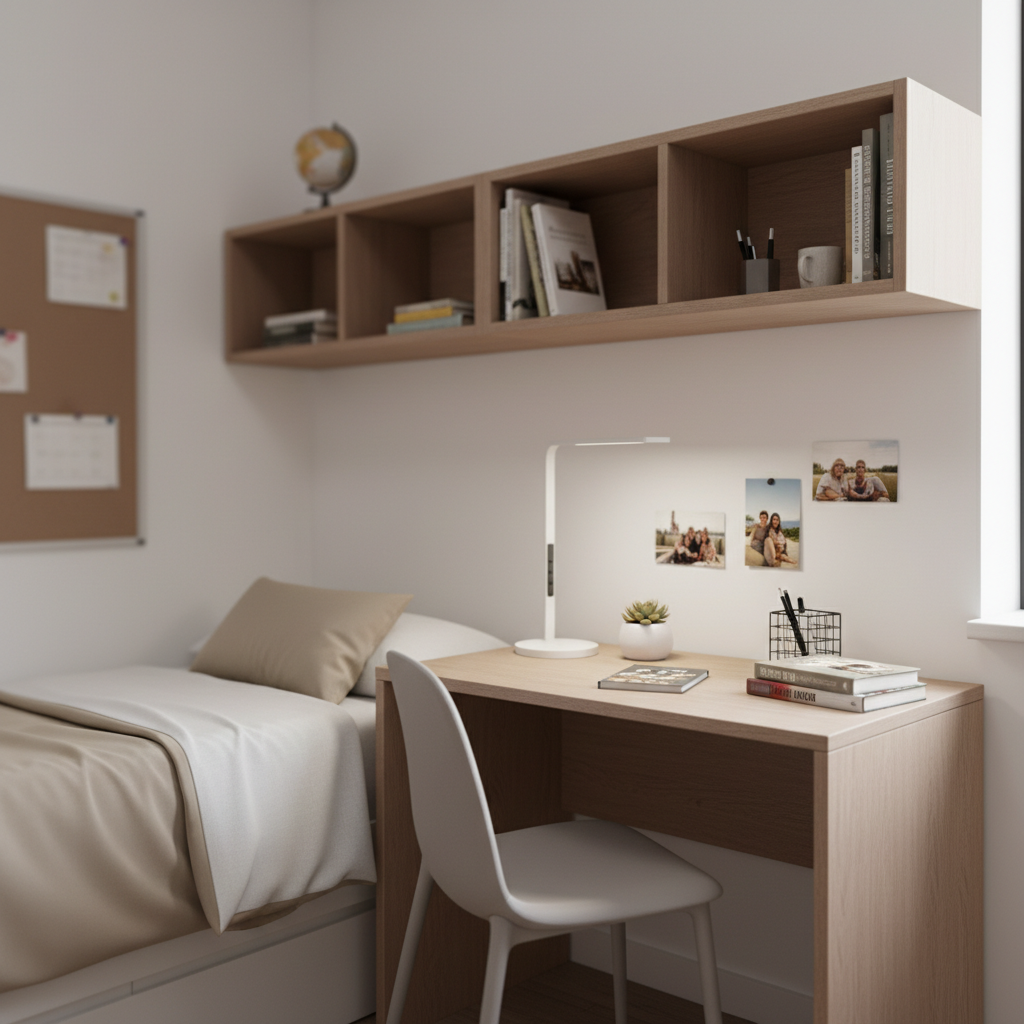
Your furniture should reflect your personal style and the overall aesthetic of your home. Are you drawn to modern, minimalist designs, or do you prefer a more traditional, classic look? Perhaps a blend of styles suits your taste.
Browse online galleries or visit showrooms to gather inspiration. Pay attention to color schemes, materials, and decorative elements that resonate with you. This research will help you create a cohesive look throughout your home.
Prioritizing Functionality
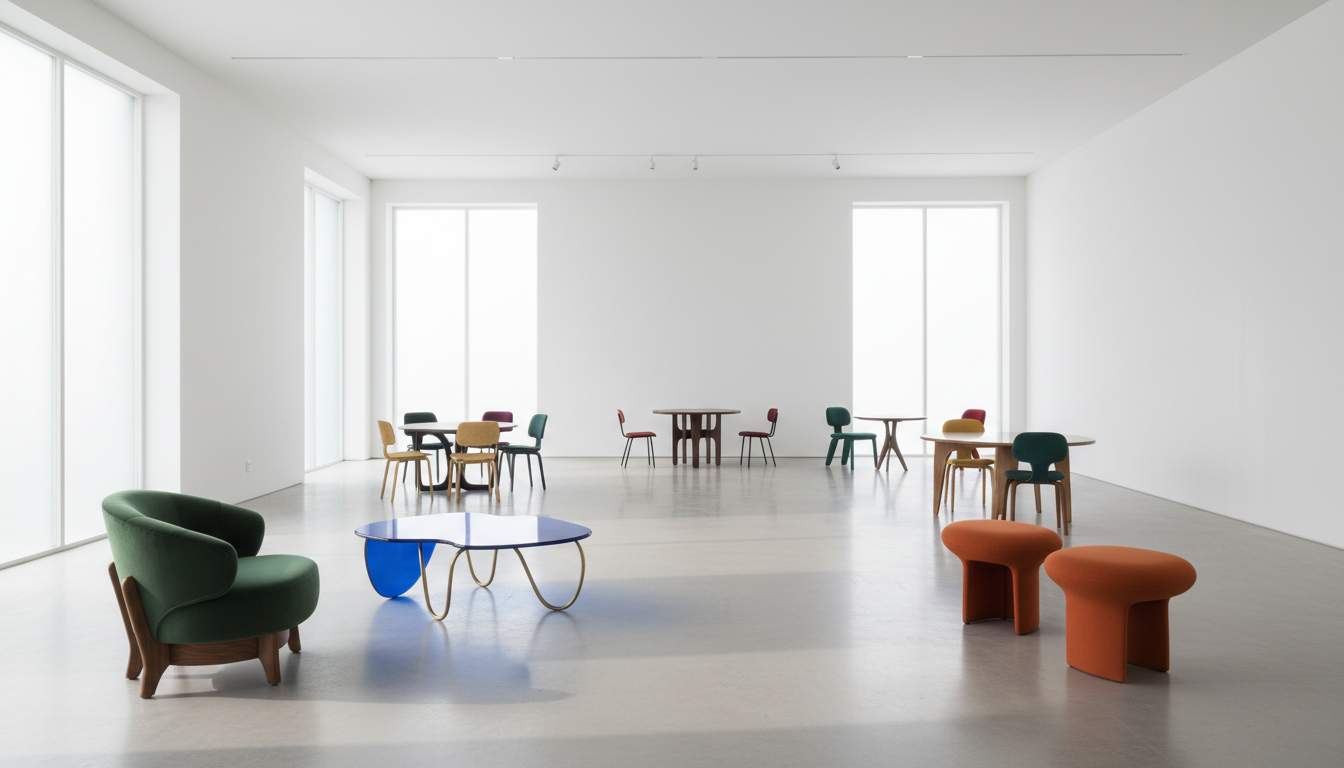
While aesthetics are important, functionality should never be overlooked. Consider the practical aspects of each piece of furniture. Does it offer storage solutions? Is it comfortable? Does it fit the scale of your room? These questions will guide you in making smart choices.
For smaller spaces, multifunctional furniture like sofa beds or extendable dining tables can maximize utility without sacrificing style. Ensure that each item you select serves a purpose beyond just filling space.

Investing in Quality
Furniture is an investment, and quality should be a top priority. Look for pieces made from durable materials such as solid wood, metal, or high-quality fabric. Check for sturdy construction and reliable craftsmanship.
It's better to spend a bit more on a few well-made items than to fill your home with cheaply made pieces that won’t last. Quality furniture not only looks better but also stands the test of time, providing long-term value.

Budgeting Wisely
Establishing a budget is a key step in the furniture selection process. Determine how much you're willing to spend and allocate funds for each room or significant furniture piece. This approach will help you stay on track and avoid impulsive purchases.
Remember to factor in additional costs like delivery fees or assembly charges. Look for sales, discounts, or second-hand options to stretch your budget further without compromising on quality.

Finalizing Your Selections
Once you've narrowed down your options, take time to envision how each piece will fit into your space. Use floor plans or design software to visualize the layout. Ensure that your selections complement each other and align with your overall vision.
Before making a purchase, read reviews and seek recommendations. This due diligence can prevent potential disappointments and ensure that you're making informed decisions.
By following these guidelines, you’ll be well-equipped to choose the perfect furniture for your space, creating a harmonious and inviting home environment.