The Art of Minimalist Interiors: Creating Calm and Functional Spaces


Understanding Minimalist Interiors
Minimalist interiors focus on simplicity, functionality, and the use of space to create a serene environment. By eliminating clutter and choosing essential pieces, minimalist design promotes calm and clarity in our living spaces.
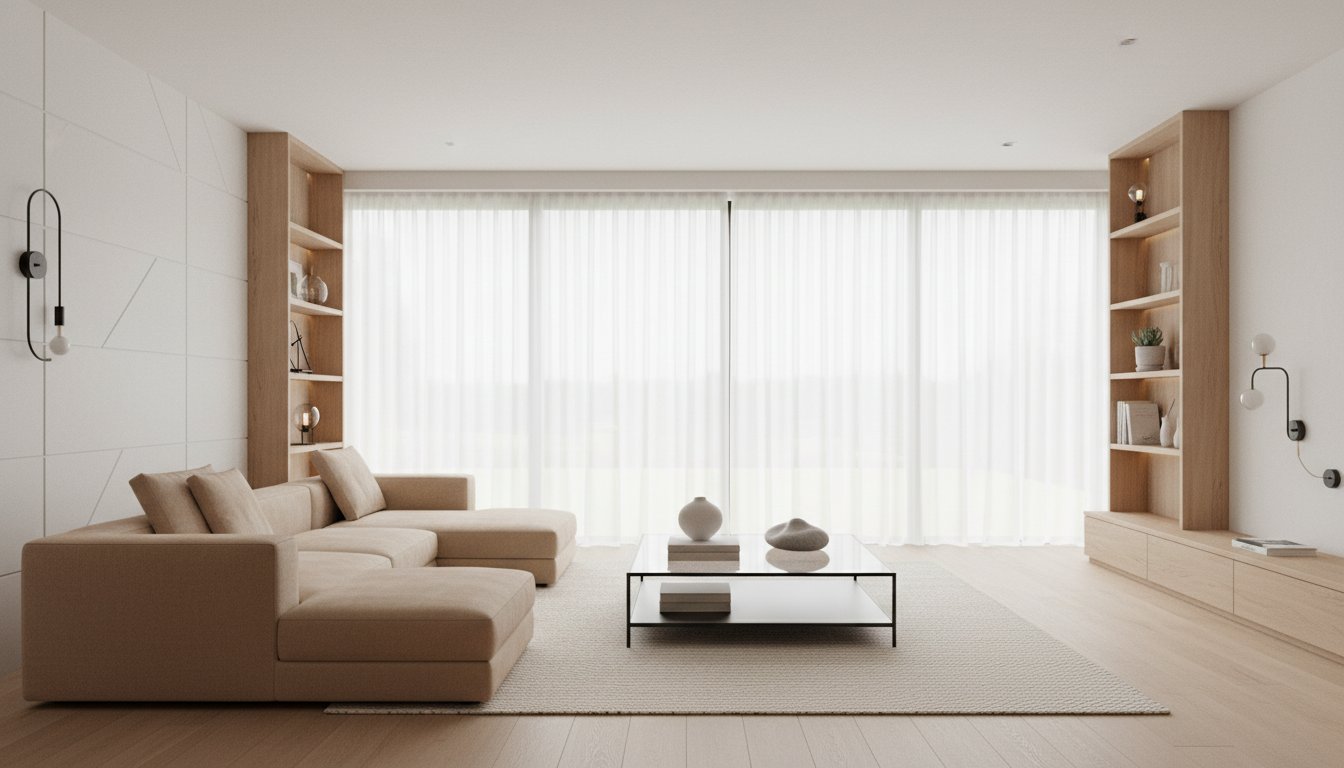
The Principles of Minimalism
At the heart of minimalist design are a few core principles: simplicity, functionality, and harmony. These guide the selection of furniture, decor, and color schemes to ensure that each element serves a purpose and complements the overall aesthetic.
Creating Functional Spaces
Functionality is a key component in minimalist interiors. When designing a space, it's important to consider how each element serves the room. Opt for multi-functional furniture that can adapt to different needs, enhancing both utility and style.
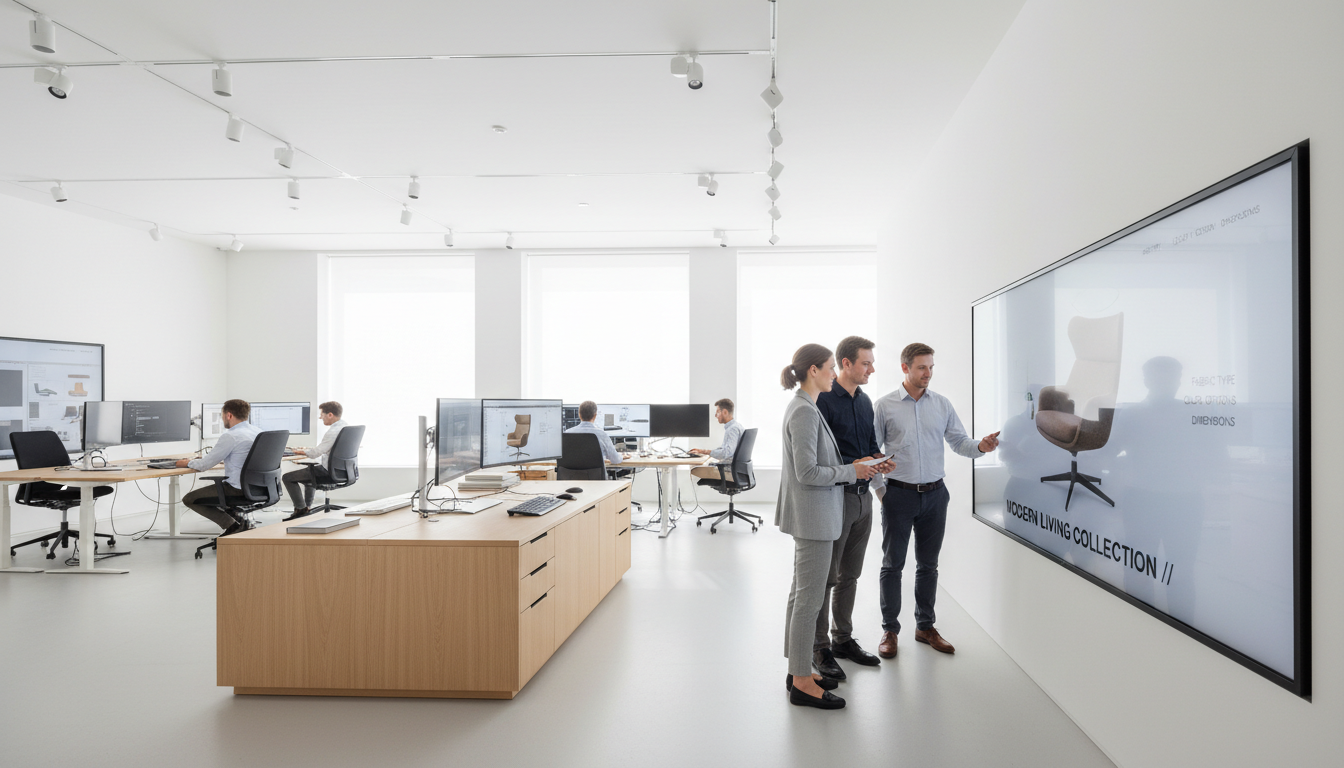
Choosing the Right Color Palette
Color plays a crucial role in setting the mood of a minimalist space. Neutral tones like white, beige, and gray are commonly used to evoke a sense of peace and openness. These shades also allow natural light to enhance the space, making it feel larger and more inviting.
The Role of Texture and Material
While minimalist design is often associated with simplicity, incorporating a variety of textures can add depth and interest. Consider materials such as wood, metal, and stone to introduce subtle contrasts and warmth to the space.
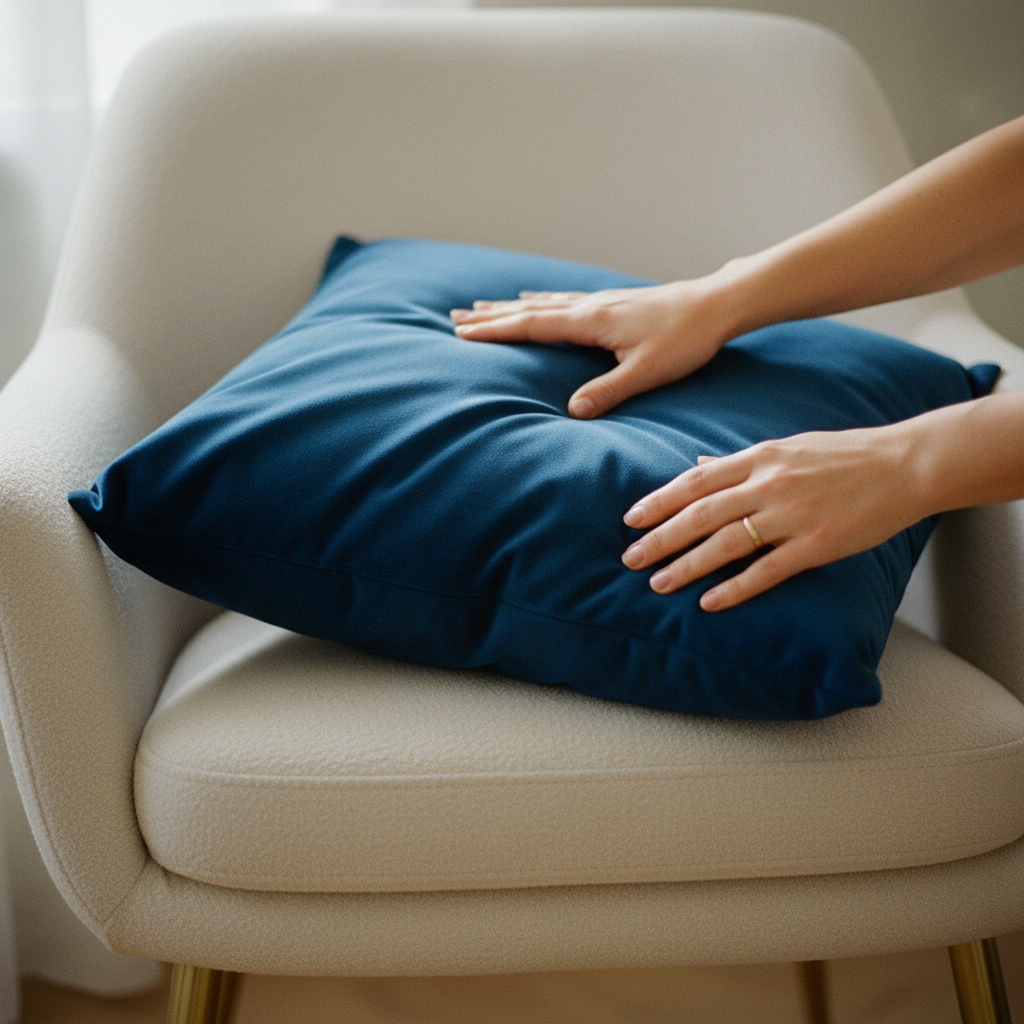
Decluttering for a Calm Environment
A minimalist interior thrives on the absence of clutter. Regularly assessing and organizing belongings ensures that only necessary and meaningful items remain. This practice not only contributes to a tidy space but also promotes mental clarity.
Incorporating Nature
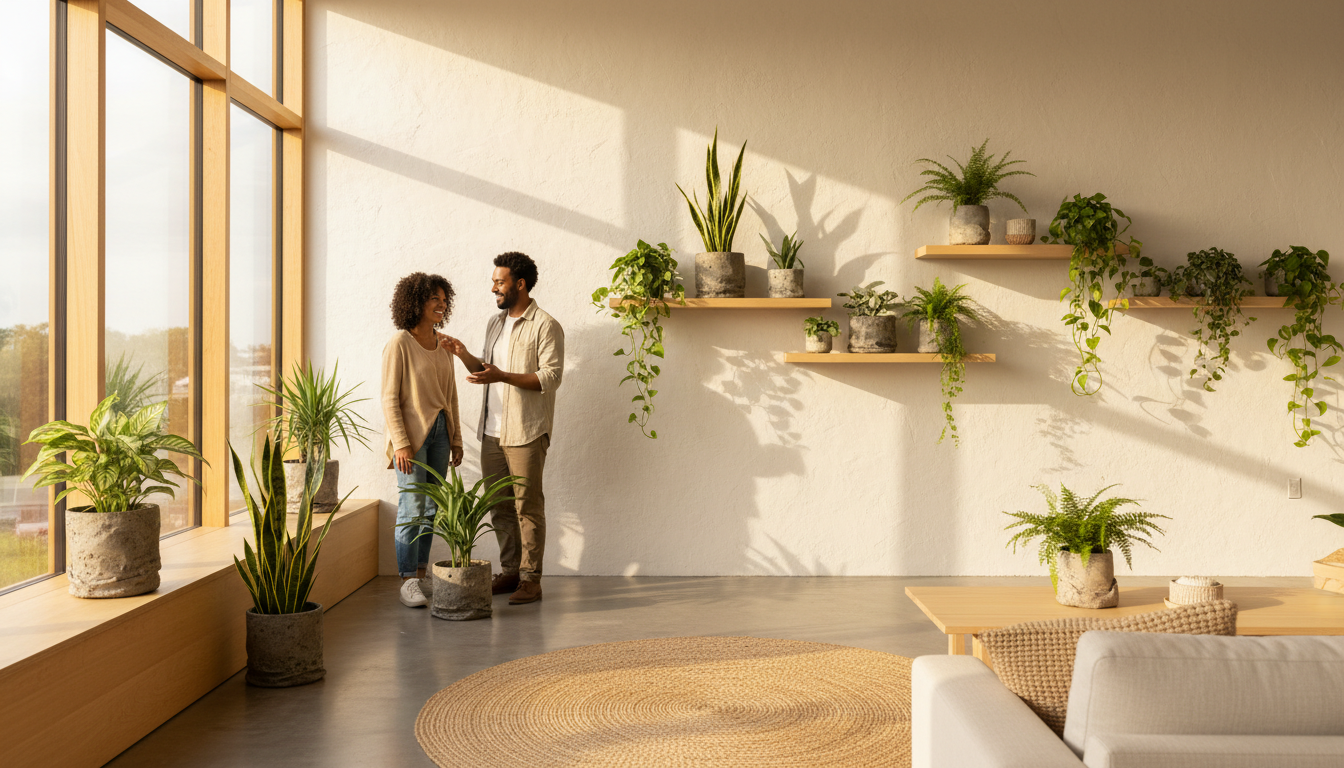
Bringing elements of nature into a minimalist space can enhance tranquility. Plants add a touch of life and color while improving air quality. Choose easy-to-maintain varieties to keep the look effortless and fresh.
Personalizing Your Space
Even within the constraints of minimalism, there's room for personal expression. Select a few cherished pieces of art or decor that reflect your personality. This will make the space uniquely yours without compromising the minimalist aesthetic.
Conclusion: Embracing Minimalism
Transitioning to a minimalist interior is not just about design; it's a lifestyle choice that encourages mindfulness and intentional living. By focusing on what truly matters, we can create spaces that nurture our well-being and promote a balanced life.