Myth-Busting: Common Misconceptions About Interior Design


Interior Design is Only for the Wealthy
One of the most pervasive myths about interior design is that it is a luxury reserved for the wealthy. Many believe that hiring an interior designer or investing in professional design services is only for those with large budgets. However, the truth is that interior design can be accessible to everyone, regardless of budget.
Today, many designers offer flexible pricing structures and can work within a range of budgets. Whether you're looking to refresh a single room or redesign an entire home, there are options available to suit different financial needs.
Small Spaces Don't Need Design
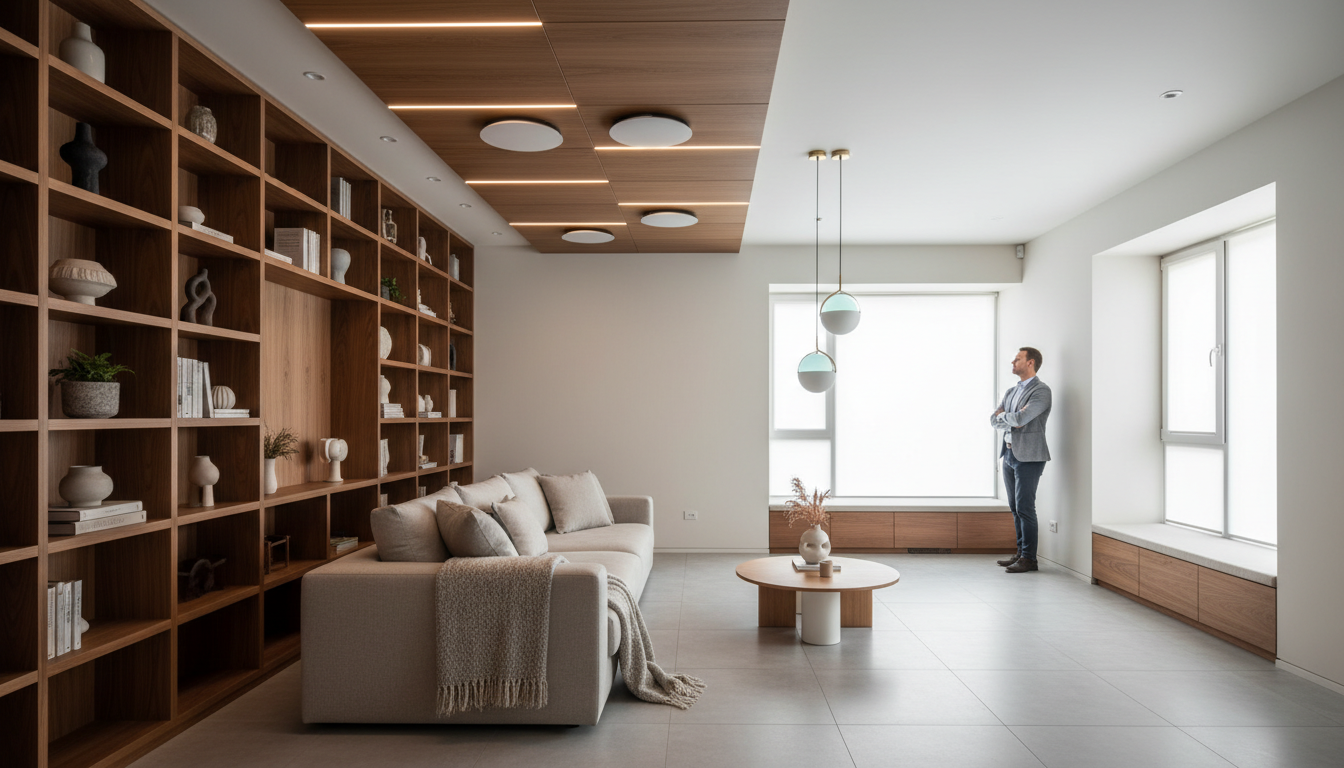
A common misconception is that small spaces don't require the same level of design attention as larger ones. In reality, small spaces can benefit significantly from thoughtful design. With the right approach, even the tiniest room can become both functional and stylish.
Designing for small spaces often involves clever use of storage, strategic furniture placement, and the selection of multipurpose pieces to maximize every inch. A well-designed small space can feel much larger and more inviting than its square footage might suggest.
Design Trends Must Be Followed
Many people feel pressured to follow current design trends, believing that their homes must reflect the latest styles. However, this is not necessarily true. While trends can provide inspiration, your home should ultimately reflect your personal taste and lifestyle.
It's important to choose elements that you love and that work for your daily life rather than simply following what is popular. This approach ensures that your space remains timeless and meaningful to you.
Interior Design is Just About Aesthetics
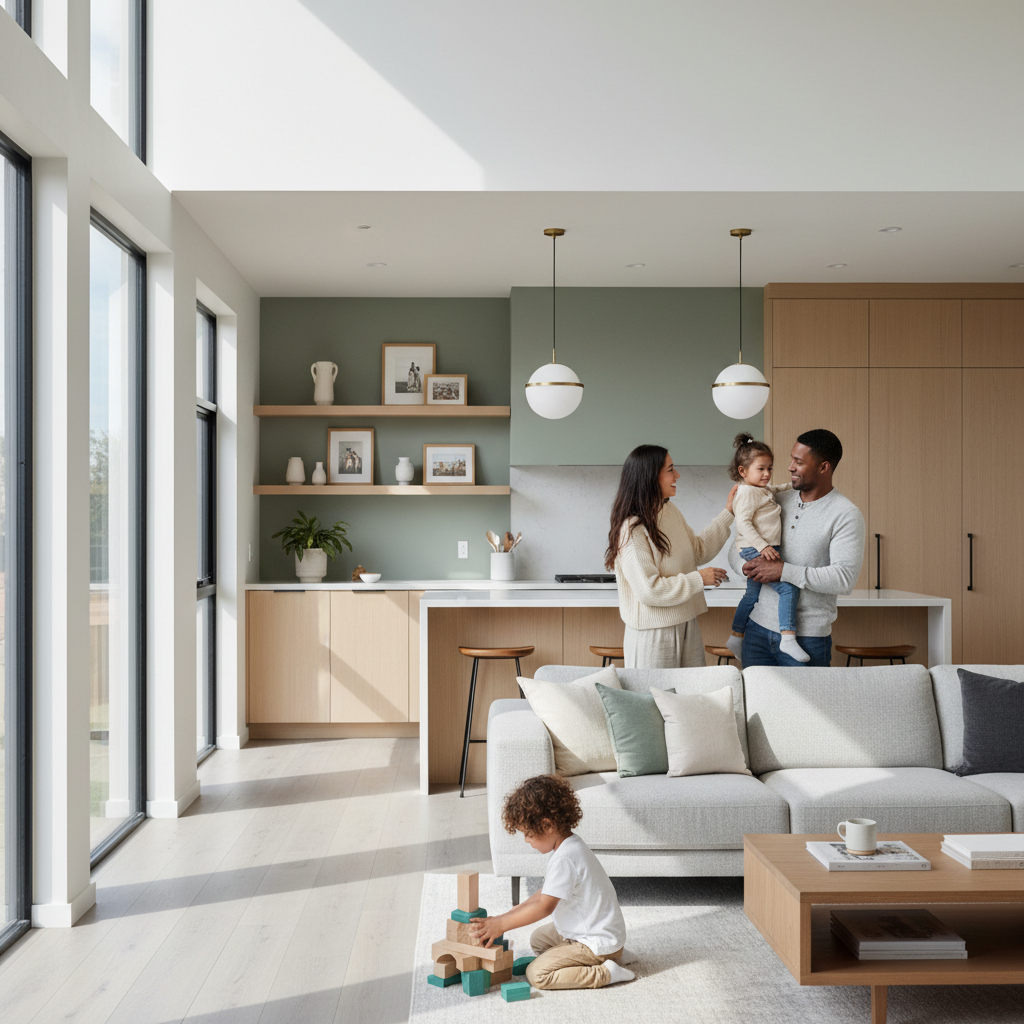
Another myth is that interior design is solely about creating a visually pleasing space. While aesthetics are a key component, good design also considers functionality, comfort, and how a space meets the needs of its inhabitants.
Designers often focus on creating spaces that enhance quality of life, considering factors such as lighting, acoustics, and ergonomics. A well-designed space should not only look good but also feel good to live in.
DIY Design is Always Cheaper
Many assume that doing it yourself is a more cost-effective option than hiring a professional. While DIY projects can save money upfront, they can also lead to costly mistakes if not executed properly.
Professional designers bring expertise and experience that can help avoid common pitfalls, potentially saving money in the long run. They also have access to resources and trade discounts that might not be available to the average consumer.

Conclusion
Interior design is often misunderstood, but busting these myths reveals it as a versatile and accessible service that can enhance any space. Whether you're working with a professional or embarking on a DIY project, understanding the true nature of design can lead to a more satisfying and successful outcome.
Ultimately, interior design is about creating a space that reflects who you are and meets your needs, regardless of size, budget, or current trends.