How Smart Home Integration Elevates Modern Interiors


The Intersection of Technology and Design
As technology continues to evolve, the concept of a smart home is no longer a futuristic dream but a tangible reality. Integrating smart home technology into modern interiors is transforming the way we live, merging convenience with cutting-edge design. From automated lighting to intelligent climate control, these innovations are reshaping our living spaces.
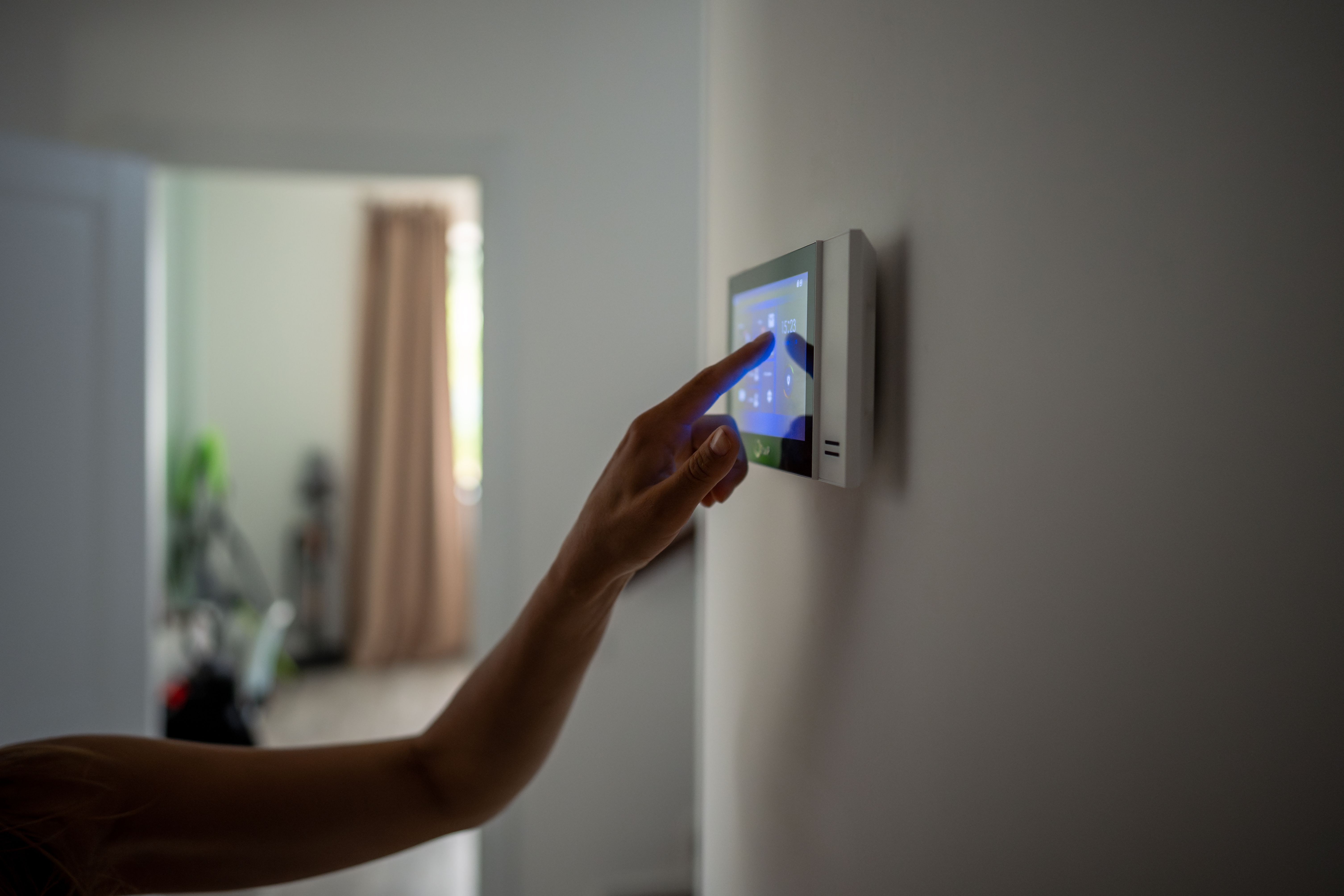
Smart home integration is about more than just convenience; it is about enhancing the aesthetic appeal of interiors. By seamlessly incorporating technology, homeowners can create spaces that are both functional and visually appealing. With the right approach, smart technology can blend into the decor, adding a touch of sophistication and modernity.
Enhancing Functionality and Efficiency
The primary advantage of smart home integration is the enhanced functionality it offers. With smart devices, homeowners can control lighting, heating, and security systems with a simple voice command or a touch on their smartphone. This not only adds convenience but also helps in optimizing energy usage, contributing to a more sustainable lifestyle.
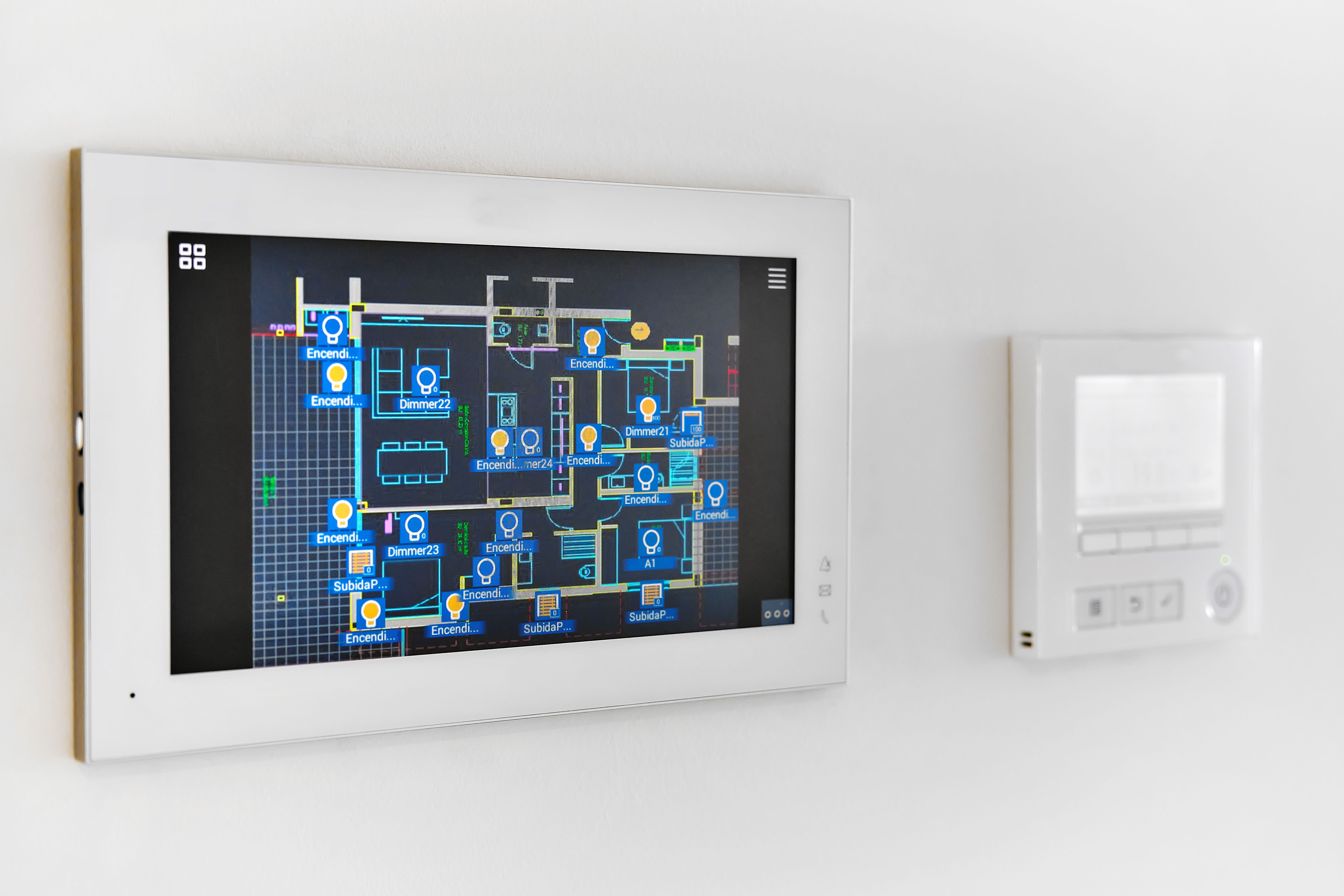
Consider the impact of automated lighting systems. These systems can adjust brightness based on the time of day or occupancy, reducing energy consumption and creating the perfect ambiance. Similarly, smart thermostats learn your preferences and adjust the temperature accordingly, ensuring comfort while minimizing energy waste.
Designing with Smart Technology
Incorporating smart technology into home design requires thoughtful planning. Designers must consider both the functionality and aesthetics of the space. For instance, smart speakers and screens can be integrated into furniture or walls, maintaining the room’s visual harmony while providing technological benefits.
One popular trend is the use of minimalist design to complement smart technology. Clean lines and neutral color palettes create a sleek backdrop that highlights the devices without making them the focal point. This approach ensures that technology enhances rather than overwhelms the interior design.

Creating a Personalized Experience
Smart home technology allows for a highly personalized living experience. Homeowners can customize settings to suit their lifestyle and preferences. Whether it’s setting the mood with personalized lighting scenes or creating a home theater experience with smart audio systems, the possibilities are endless.
Moreover, smart home systems can be tailored to adapt to individual needs. For example, voice-activated assistants can provide reminders, play music, or even control kitchen appliances, making daily routines more efficient and enjoyable.
The Future of Smart Homes
The future of smart home integration promises even more sophisticated innovations. As artificial intelligence and the Internet of Things continue to advance, homes will become more intuitive, learning from user behaviors to provide more personalized and efficient solutions.
Investing in smart home technology not only adds value to properties but also enhances the overall quality of life. By embracing these technologies, homeowners can create spaces that are not only modern and stylish but also adaptable to future technological advancements.
In conclusion, the integration of smart home technology with modern interiors is redefining the way we experience our living spaces. By combining functionality with design, these innovations offer a glimpse into the future of home living, where convenience and style coexist seamlessly.