Expert Tips for a Successful Interior Design Project


Understand Your Space
Before diving into an interior design project, it's crucial to understand the space you're working with. Take note of the room dimensions, lighting, and architectural features. This foundational knowledge will guide your decisions throughout the design process.
Consider creating a detailed floor plan. This will help you visualize the layout and ensure that your furniture and decor choices fit seamlessly into your space. Use online tools or apps to make this task easier.
Define Your Style
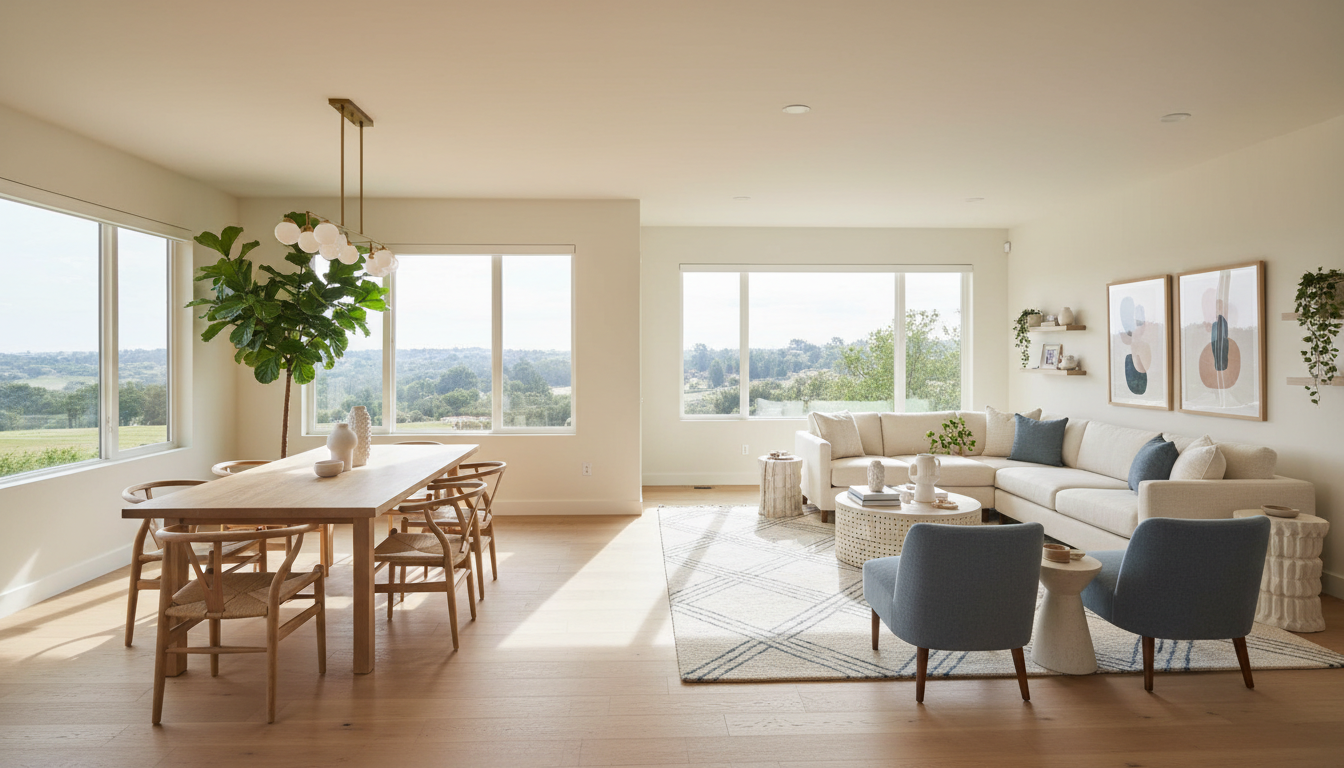
Identifying your personal style is a vital step in creating a cohesive design. Whether you prefer a modern, minimalist look or a cozy, eclectic vibe, having a clear vision will help streamline your choices. Start by gathering inspiration from magazines, online platforms, or even nature.
Create a mood board to collect your favorite colors, textures, and patterns. This visual aid will serve as a reference point when selecting materials and furnishings.
Set a Realistic Budget
A successful interior design project requires careful budgeting. Determine how much you are willing to spend and allocate funds to different elements such as furniture, decor, and labor. Be sure to set aside a portion for unexpected expenses.
Prioritize your spending based on the impact each element will have on the overall design. Investing in quality pieces can offer better longevity and satisfaction.

Choose a Color Palette
The color palette you choose will set the tone for your entire space. Consider the mood you want to create and how colors interact with natural light. Neutral tones can provide a timeless backdrop, while bold colors can add personality and energy.
Experiment with different combinations to see what resonates with you. Don’t be afraid to incorporate accent colors through accessories or artwork to add depth and interest.
Select the Right Furniture
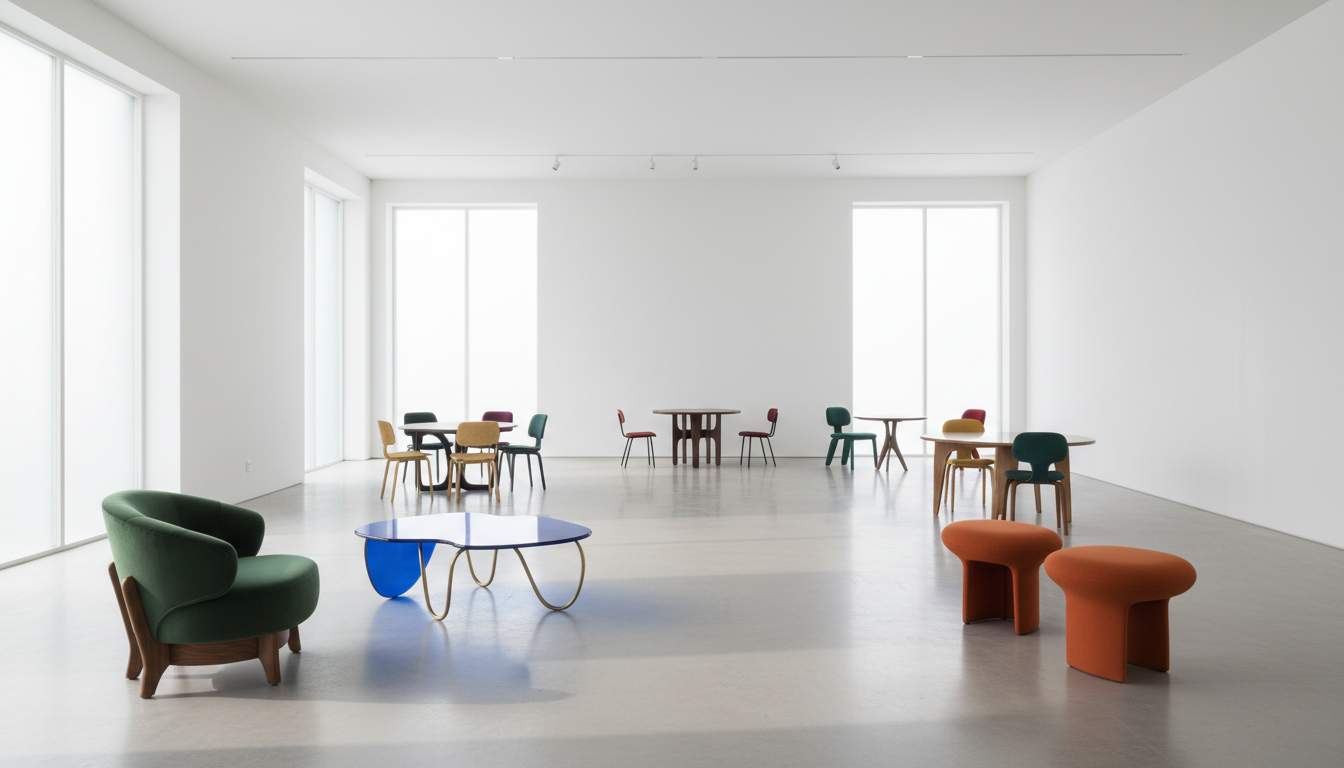
Furniture plays a significant role in both the functionality and aesthetics of a room. Opt for pieces that complement your style and fit the scale of your space. Remember, less is often more when it comes to creating a harmonious environment.
Think about the purpose of each room and choose furniture that supports those activities. Multi-functional pieces can be a smart choice for smaller spaces.
Add Personal Touches
Your home should reflect your personality and interests. Incorporate personal elements such as family photos, travel souvenirs, or artwork to make the space uniquely yours.
Layering textures and materials can also add warmth and character. Consider using a mix of textiles, such as rugs, cushions, and curtains, to create a cozy and inviting atmosphere.
Focus on Lighting
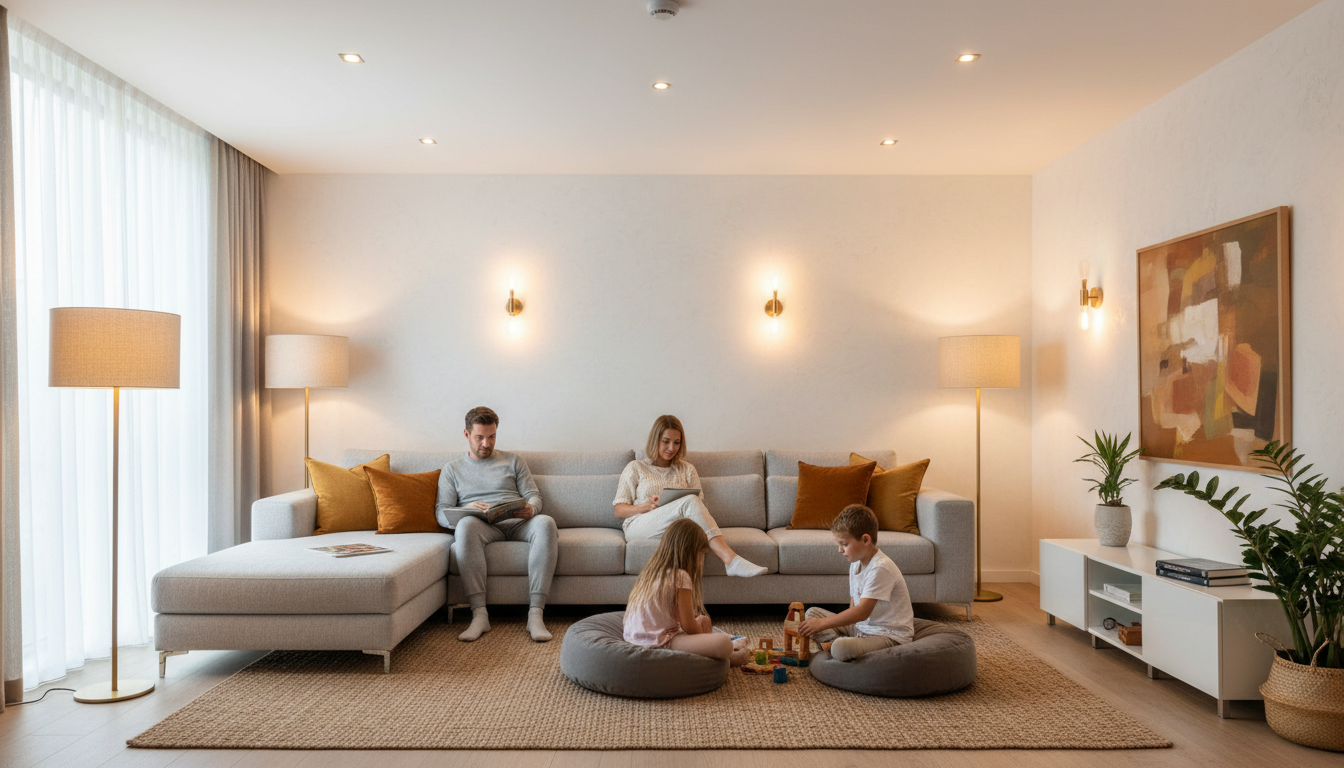
Lighting is a crucial element that can dramatically affect the ambiance of a room. Combine different types of lighting, such as ambient, task, and accent lighting, to create a balanced and functional environment.
Use dimmers to adjust the mood according to the time of day or occasion. Don’t forget to take advantage of natural light by keeping windows unblocked and using mirrors to reflect light throughout the space.
Seek Professional Guidance
If you find yourself overwhelmed, consider hiring a professional interior designer. They can offer expert advice and introduce you to resources and ideas you might not have considered. A professional can also help ensure that your project stays on track and within budget.
Remember, the goal of any interior design project is to create a space that feels comfortable and inspiring. With careful planning and attention to detail, you can achieve a successful outcome that you'll enjoy for years to come.