Common Myths About Interior Design Debunked by Wana Experts


Myth 1: Interior Design is Only for the Wealthy
One of the most common misconceptions about interior design is that it's a luxury reserved for the wealthy. In reality, interior design can be accessible to all budgets. Professional designers can work with clients to create beautiful spaces without breaking the bank. By focusing on key elements like color, texture, and layout, anyone can achieve a stylish home.
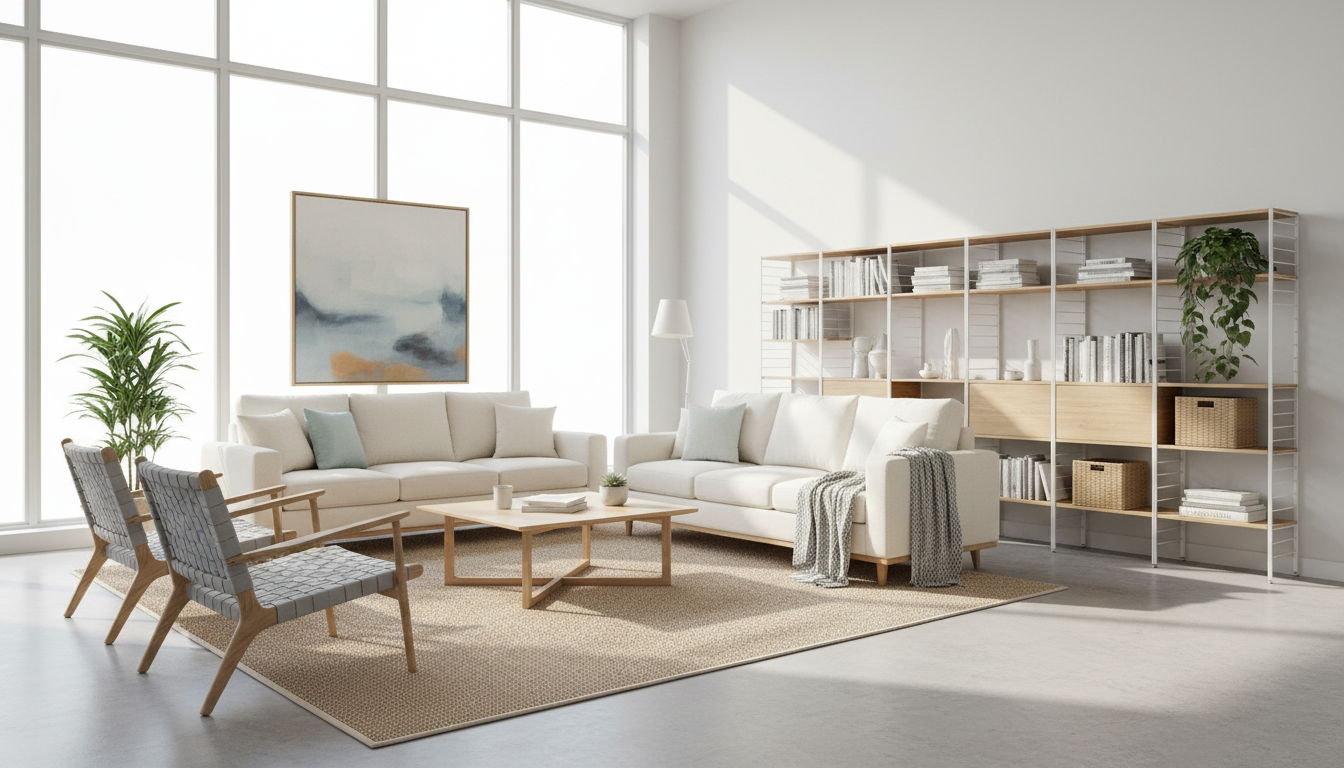
Budget-Friendly Design Tips
To make interior design more affordable, consider reusing and repurposing existing furniture. DIY projects, such as painting or upholstering old pieces, can give your home a fresh look. Prioritizing crucial areas and investing in quality over quantity can also make a significant impact without excessive spending.
Myth 2: Small Spaces Can't Be Stylish
Another myth is that small spaces can't be stylish or functional. With creative solutions, even the tiniest apartments can be transformed into cozy and trendy living areas. The key is to utilize smart storage solutions and choose furniture that maximizes space.
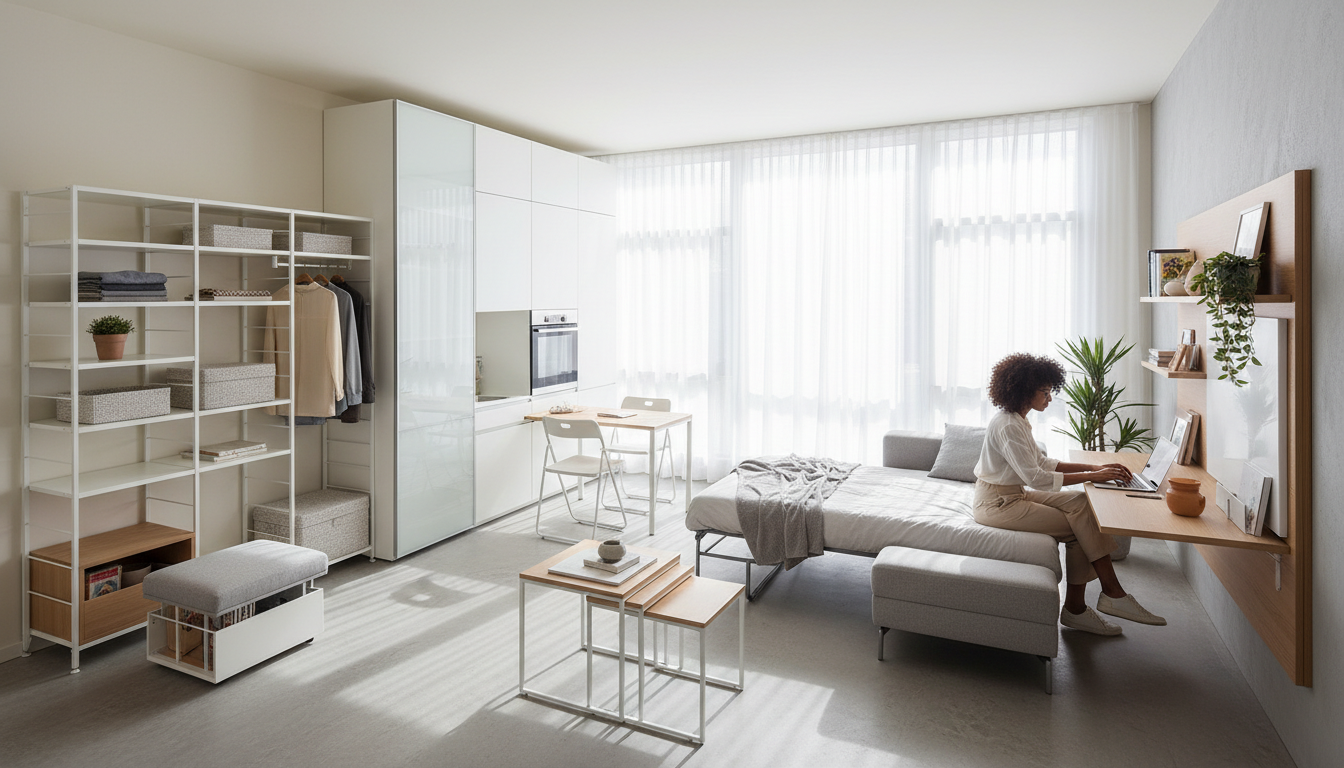
Maximizing Small Spaces
Using multifunctional furniture, like sofa beds or extendable tables, can be a game-changer. Vertical storage options, such as wall-mounted shelves, can help free up floor space, making the area feel more open and inviting.
Myth 3: You Must Follow Trends
Many people believe that following the latest trends is a must for a well-designed interior. However, this can lead to a space that quickly feels outdated. Instead, focus on creating a timeless design that reflects your personal style and preferences.
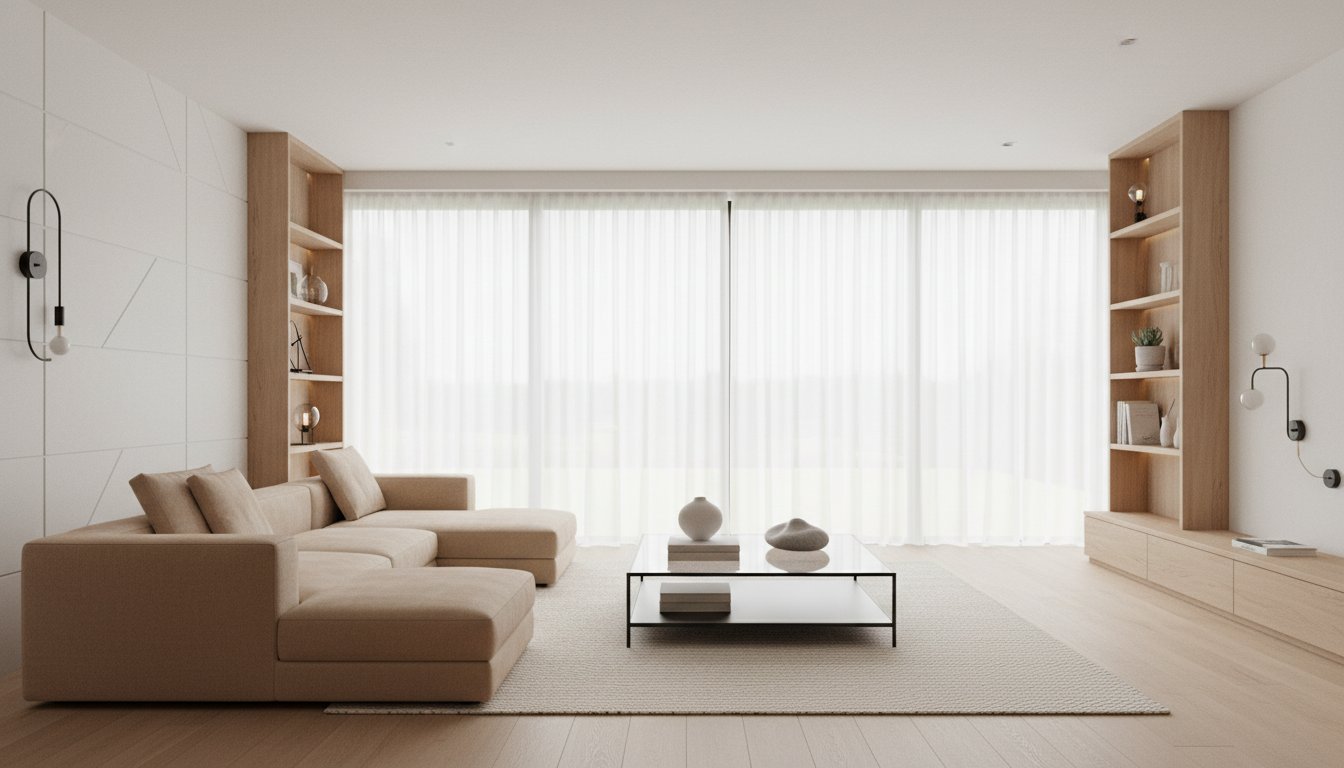
Creating Timeless Interiors
Opt for classic pieces and neutral color palettes that can easily be updated with trendy accessories. This approach allows you to keep your space fresh without constant overhauls. Personal touches and meaningful decor can also add a unique and lasting appeal to your home.
Myth 4: Interior Design is Only About Aesthetics
While aesthetics are a vital component, interior design is also about functionality and comfort. A well-designed space should not only look good but also serve the needs of its occupants. This balance is key to creating a harmonious living environment.
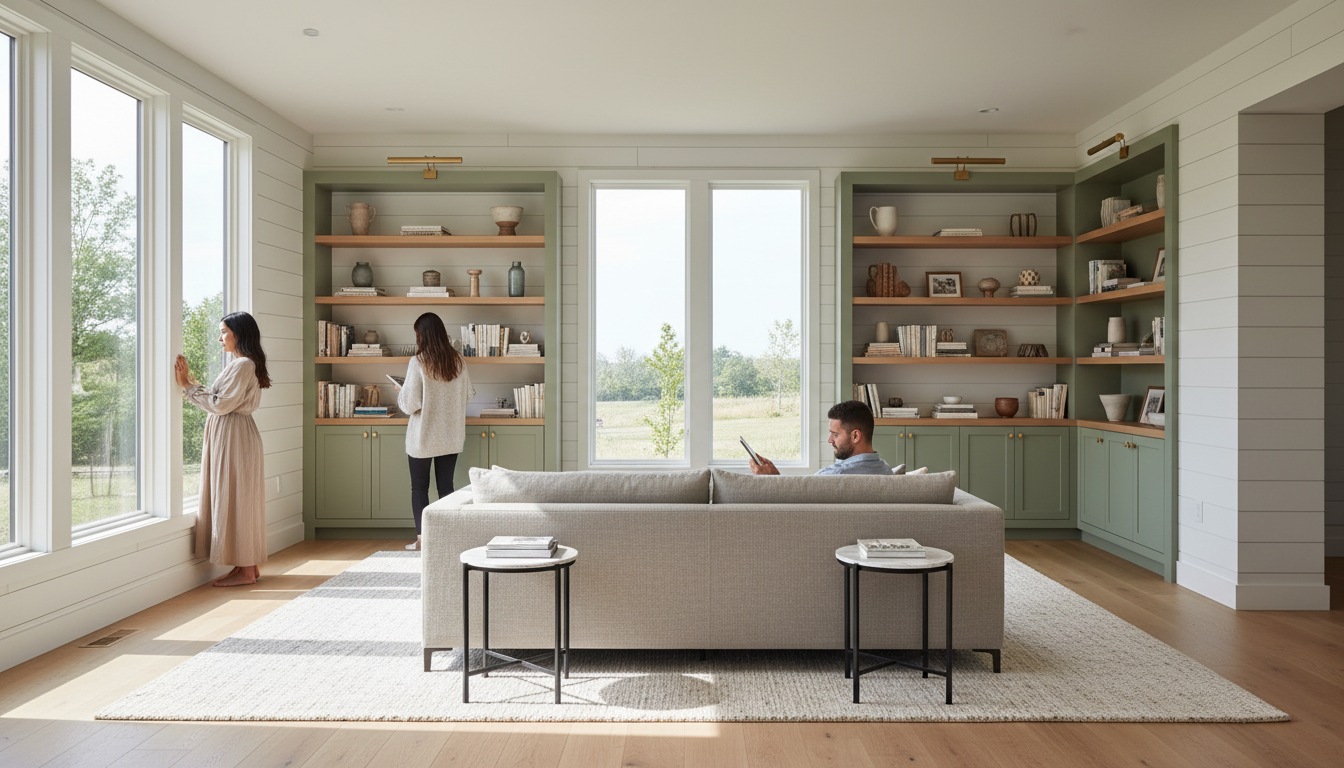
Balancing Beauty and Functionality
Consider the purpose of each room and how it can best serve your lifestyle. Incorporating ergonomic furniture, proper lighting, and efficient layouts can enhance the usability of your space, making it both beautiful and practical.
Conclusion
Debunking these common myths reveals that interior design is more accessible and versatile than many might think. By focusing on personal style, budget-friendly solutions, and balancing aesthetics with functionality, anyone can create a home that is both stunning and practical.